

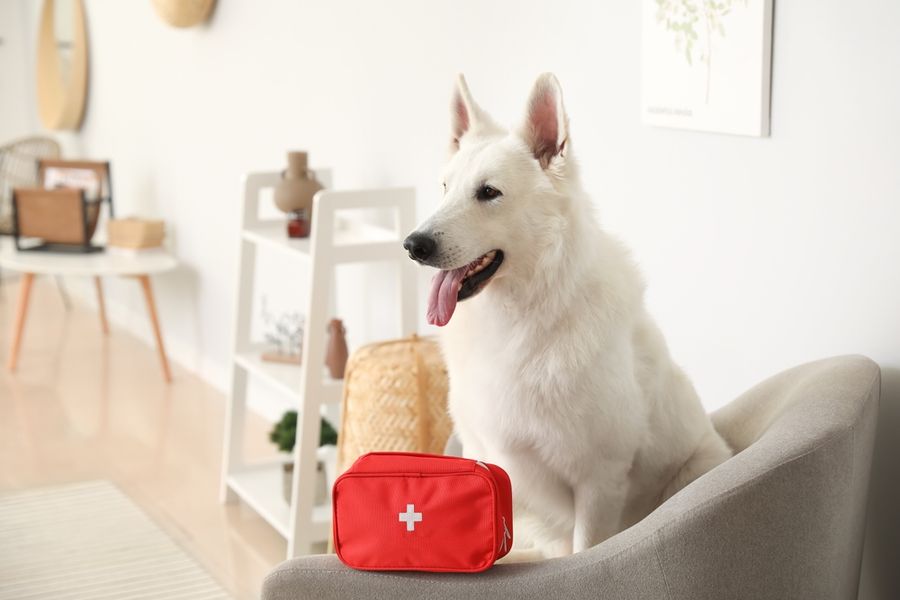
A pet first-aid kit gives owners a faster way to respond when a dog or cat is hurt, exposed to something harmful, or needs safe transport to a clinic. It cannot replace veterinary care, but it can keep basic supplies, records, and emergency contacts together when time matters. A well-planned kit makes minor wound care easier and helps families move from panic to action with fewer delays.
Start With Contacts and Medical Information
Place a printed emergency sheet at the top of the kit. Include the regular veterinarian, the nearest emergency hospital, poison-control numbers, animal control, and a person who can help with transport. Add the clinic’s address as well as its phone number. The ASPCA Poison Control number is 888-426-4435, and a consultation fee may apply.
Keep a current copy of the pet’s medical record in a waterproof sleeve. List prescriptions, allergies, health conditions, age, weight, and microchip number. Add a recent photo and contact details for anyone who may care for the animal. A prepared record can help a clinic understand the pet’s needs without relying on memory during a stressful event.
Pack Basic Wound-Care Supplies
Useful items include clean towels, gauze rolls, nonstick pads, self-adhering wrap, adhesive tape, disposable gloves, blunt-ended scissors, tweezers, saline solution, and a small flashlight. An eye dropper or large needle-free syringe can help flush a wound or eye. Sterile lubricating jelly may also help protect an injured eye or wound during transport.
For outside bleeding, a clean cloth or towel can be pressed firmly over the area. If blood soaks through, leave the first layer in place and add more material on top. Severe bleeding or a deep wound needs prompt veterinary treatment. Do not pull out an object lodged in a wound, since moving it can make the damage worse.
Add Safe-Handling and Transport Tools
An injured animal may bite or scratch because of pain and fear. Pack a spare leash and collar, a properly sized muzzle, and a large towel that can help restrain a cat. Never muzzle a pet that is vomiting. Keep your face away from the animal’s mouth and ask another person to help with lifting when possible.
Store the kit close to a carrier rather than at the back of a closet. A carrier or ventilated box can limit movement during transport. A blanket or firm board may serve as a stretcher for a large dog. After a fall or major injury, support the head, neck, and back, then call the emergency clinic before leaving.
Be Careful With Medicines and Poisoning Supplies
Do not fill the kit with human pain relievers or other household medicines. Human drugs can be dangerous to animals and should only be given when a veterinarian provides clear directions. Keep prescribed pet medicine in its original labeled container, and never give one animal medication that was prescribed for another.
Some checklists include activated charcoal and 3% hydrogen peroxide, but neither should be used without direct instructions from a veterinarian or poison-control professional. Hydrogen peroxide should not be placed on wounds. Keep sealable bags in the kit for carrying chewed packaging or other material that may help identify a suspected poison.
Include Instructions and Review the Kit Regularly
Add a printed pet first-aid guide and keep a reliable first-aid app on household phones. Current tools can provide guidance for wounds, bleeding, choking, seizures, and breathing emergencies. They may also store medication details and help locate an animal hospital. A short pet first-aid course can make the supplies easier to use under pressure.
Use a sturdy, water-resistant container with a clear label. Review it every few months, replacing used or expired items and checking flashlight batteries. Confirm that phone numbers and clinic locations are still correct. A smaller travel kit can hold records, contact details, wound supplies, gloves, a leash, and any prescribed medicine needed away from home.
Know When the Kit Is Not Enough
A kit is intended for brief first aid, not home treatment of a serious condition. Pale gums, trouble breathing, a weak or rapid pulse, difficulty standing, paralysis, loss of consciousness, seizures, or heavy bleeding are signs that emergency care may be needed. Contact a veterinary clinic and begin transport rather than waiting to see whether the problem improves.
Keep the pet as calm and still as possible while moving. Call ahead so the hospital can prepare, and bring the kit, medical record, medication list, and any package linked to a possible poisoning. These steps help the owner use first aid for its proper purpose: supporting the animal until trained professionals can take over.
Prepared Supplies Support a Faster Response
A useful pet first-aid kit combines wound supplies, handling tools, medical information, poison contacts, and clear instructions. Its purpose is not to replace a veterinarian. It gives an owner practical support during the first minutes of a problem and helps the pet reach professional care more safely.
Building the kit also reveals gaps in the household emergency plan. Once the carrier, records, contacts, and basic supplies are ready, owners can act with greater control. That preparation can make a minor injury easier to manage and a serious emergency less chaotic.